6 min read
What to Eat in Udaipur: A Local Food Guide
What to eat in Udaipur: dal baati churma, gatte, ker sangri, kachori at breakfast, corn by Fateh Sagar and ghevar in the monsoon, and when to eat each.
- udaipur
- food
- rajasthani food
- street food
- travel tips
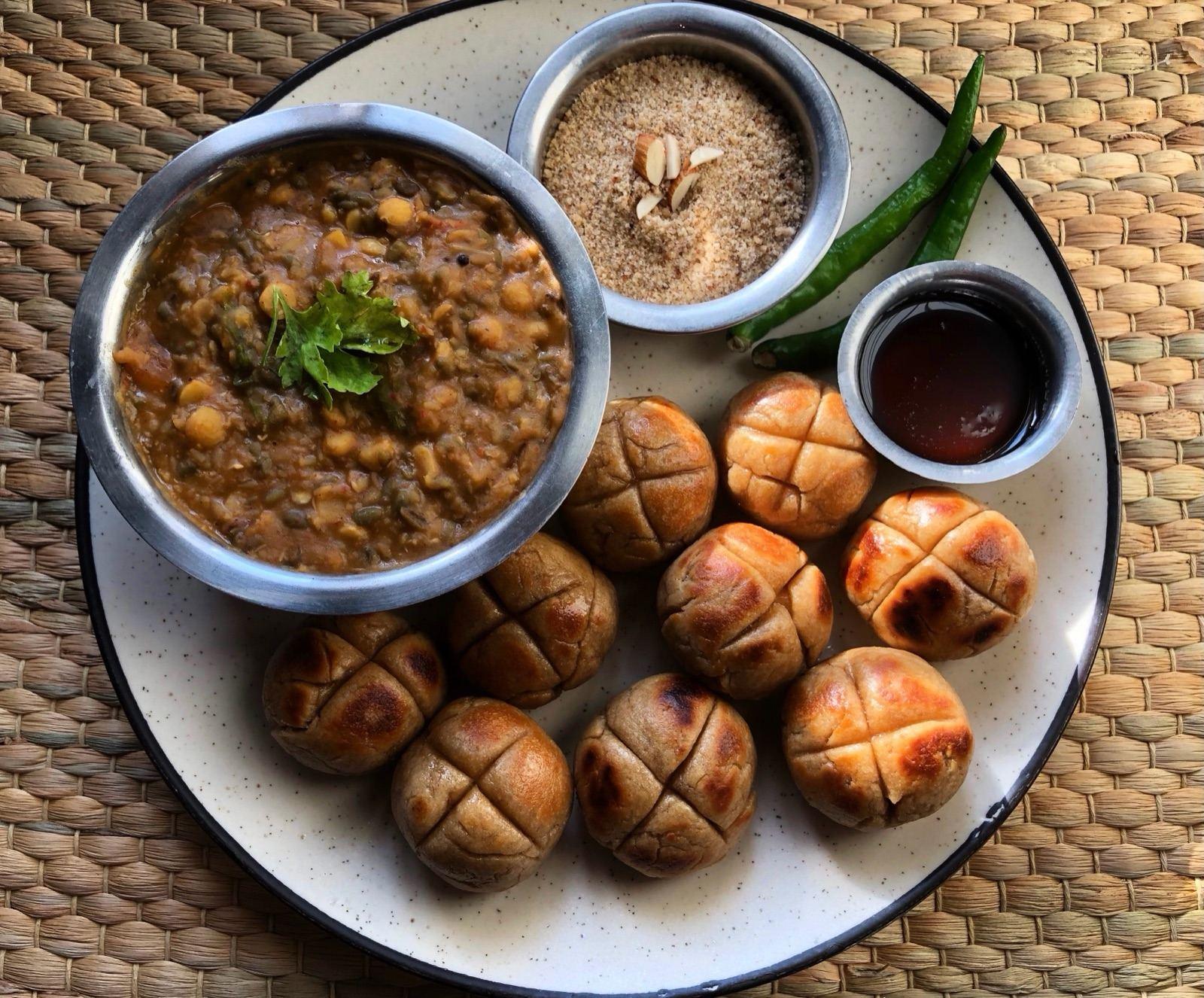
The food of Udaipur is the food of Mewar and of the wider Rajasthani kitchen, built on lentils, gram flour, dried desert beans, ghee, chilli and a long list of sweets. Below is what to eat in Udaipur: what each dish is made of, when in the day people eat it, and the kind of place where you find it. Most of it is vegetarian.
Why so much of the food is vegetarian
Rajasthan is mostly dry country. Water and fresh green vegetables were scarce, so cooks here favoured food that kept for several days and could be eaten cold. That is why so many dishes use dried beans, gram flour and ghee. In the 2014 Sample Registration System baseline survey by the Registrar General of India, Rajasthan had the highest share of vegetarians of any state, about three people in four.
A vegetarian eats very well in Udaipur. Many of the dining halls that serve thalis are strictly vegetarian, and most of them serve no alcohol. Holidify names one street stall, Pandit's, that makes Jain versions of its snacks, without onion or garlic. The meat dishes are on the menus of the lake-view restaurants on Lake Pichola.
What is dal baati churma?
Dal baati churma is three things on one plate. The dal is a spiced lentil curry. The baati are hard rolls of wheat dough, cooked slowly over an open fire and served with desi ghee. The churma is baati or roti crumbled in ghee and sweetened with sugar or jaggery, so the same plate gives you the savoury and the sweet. It is vegetarian and it is filling, with ghee on the baati and in the churma.
Gatte ki sabzi and ker sangri
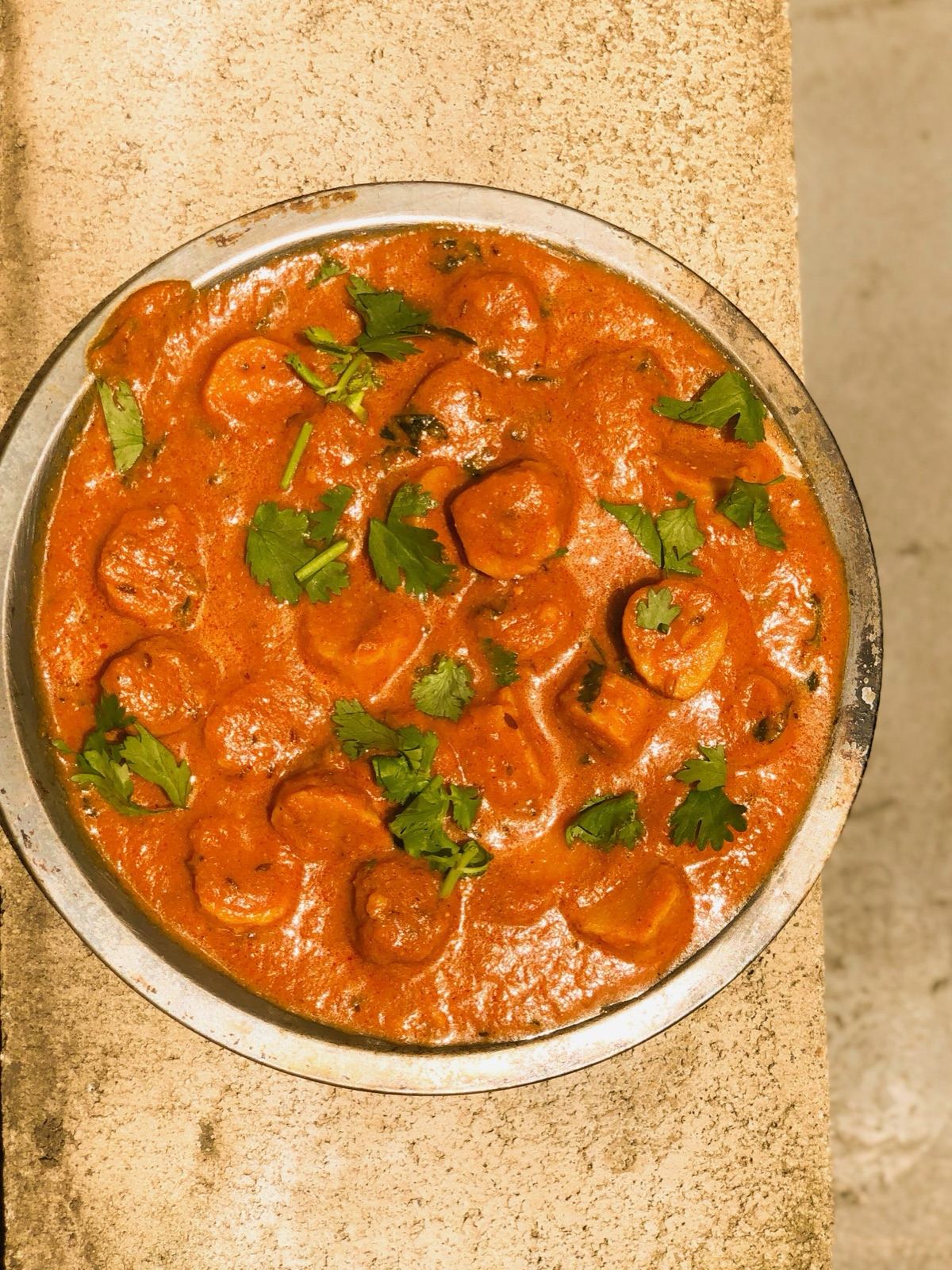
Gatte are spiced dumplings of gram flour, or besan, cooked in a sour curry made with yoghurt. Gatte ki sabzi comes with roti, poori or rice, and it is vegetarian.
Ker sangri comes from the desert. Ker is a small wild berry and sangri is a thin bean pod. Both are dried and then cooked with spices. A related dish, panchkuta, mixes five ingredients: ker, sangri, gunda, kumat and amchoor, which is dried mango powder.
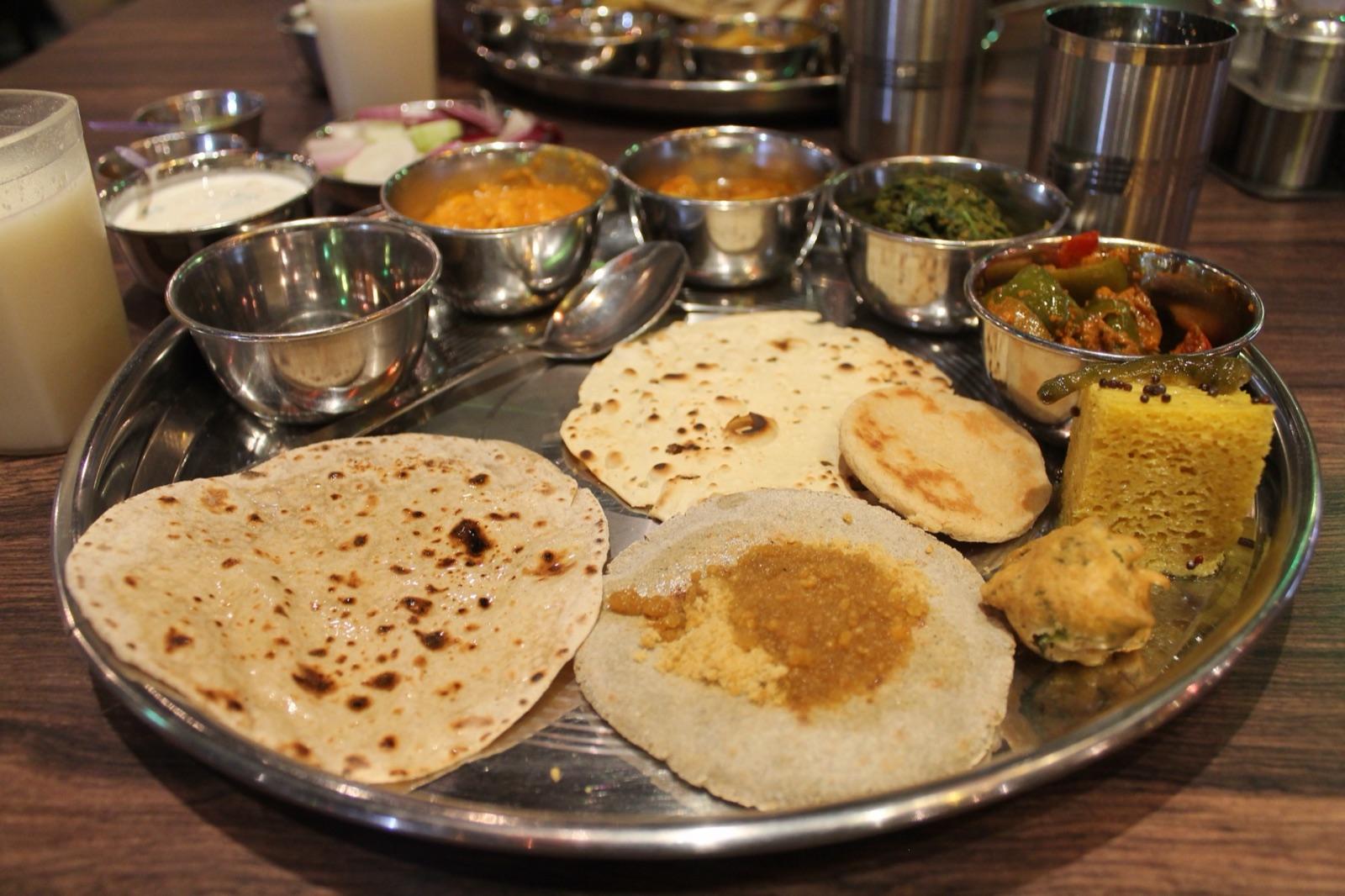
A Rajasthani thali
The easiest way to try several of these dishes at once is a thali. It is a steel plate with rotis and small bowls of dal, vegetable curries, curd and a sweet, and in the dining halls the staff refill the bowls until you stop them. A full Rajasthani thali can include panchratna dal, baati and ker sangri.
Curly Tales and Top Indian Holidays both name Natraj Dining Hall. Curly Tales, in June 2026, gives its address on City Station Road and describes unlimited dal baati with ker sangri, gatte, churma, papad and buttermilk, with an unlimited Rajasthani thali on the first floor. Top Indian Holidays, in October 2026, says there is a queue at weekends. Check that it is open, and what it charges, before you go. In dining halls the water usually comes in steel tumblers, and you can ask for a sealed bottle.
Laal maas, if you eat meat
Laal maas is mutton cooked in a sauce of yoghurt and hot red chillies, often the Mathania chilli, which gives the dish its colour and its name. Laal means red. Rajput royals cooked it on hunts, with wild boar or deer. Restaurants make it anywhere from mild to very hot, so ask before you order. Safed maas is the pale version, with a gravy of curd, cream, cashew and poppy seeds. Top Indian Holidays names rooftop restaurants on Lake Pichola that serve laal maas.
Breakfast in Udaipur: poha, kachori and mirchi bada
The morning starts with poha, which is flattened rice cooked soft and topped with onion, tomato, fried nuts, namkeen, chilli and a few drops of lemon. Top Indian Holidays says you see it with jalebi on almost every counter in the old city between 7 and 9.30am.
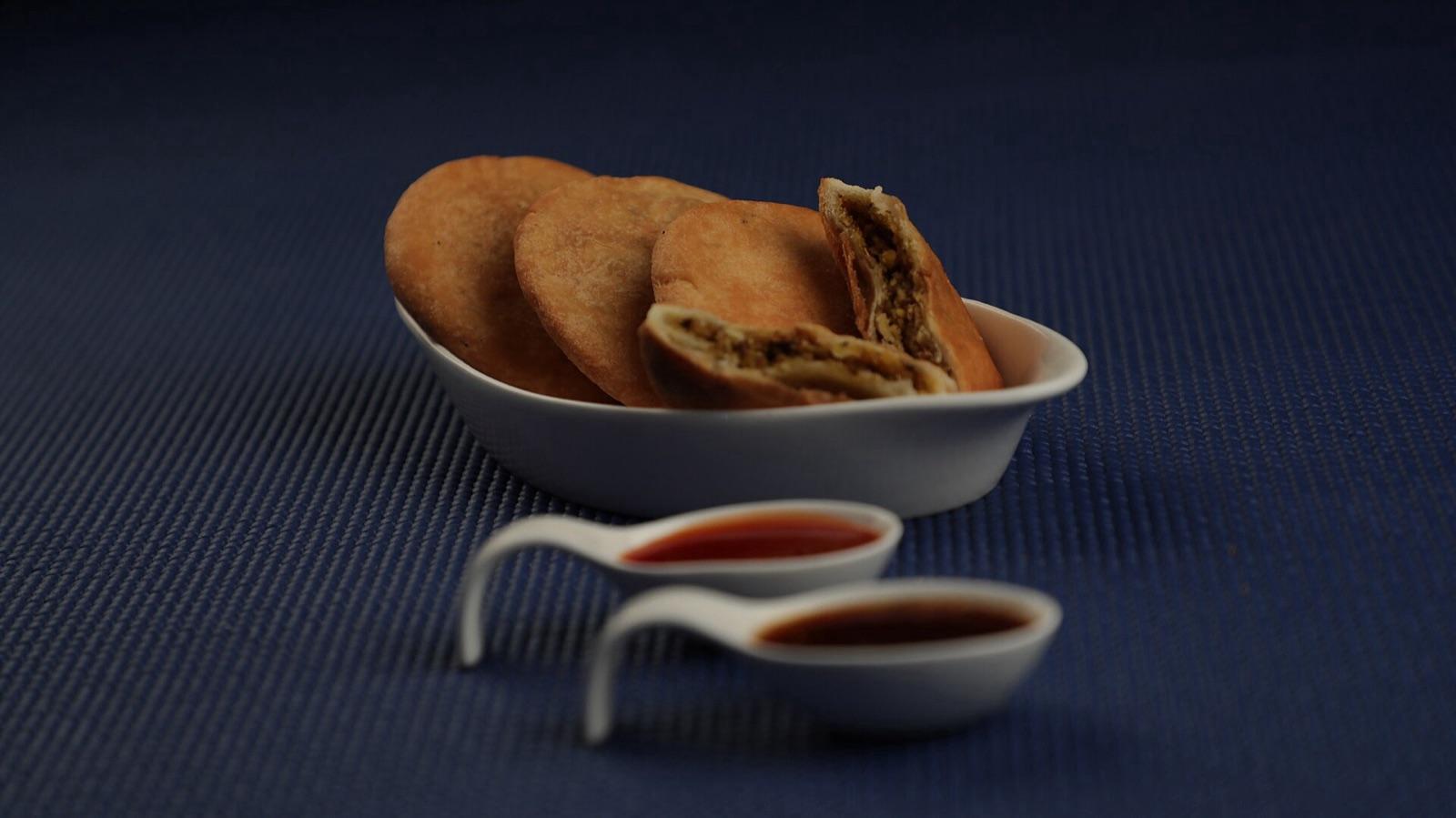
Kachori is a round fried pastry with a spiced filling. The pyaaz kachori has spiced onion inside, the hing kachori is flavoured with asafoetida, and the dal kachori has lentils. Some shops serve them with kadhi, a thin yoghurt curry, and sell them all day. Curly Tales and Top Indian Holidays both name Paliwal in the old city for kachori. Curly Tales found it near Jagdish Temple and lists gulab jamun there too. Top Indian Holidays gives its hours as roughly 8am to 2pm, with shorter hours on Sundays, and says the kachoris often sell out by late morning, so check before you go.
Mirchi bada is a large green chilli with the seeds taken out, stuffed with spiced potato, dipped in gram flour batter and fried. Slurrp's Udaipur food guide also lists a mini mirchi bada, from the stalls that open at about 7am near the City Palace. The large one is spicy.
Street food at Fateh Sagar
On our side of the city, the street food is on the road around Fateh Sagar. From about four or five in the afternoon the crowds come to the Pal, the promenade along the lake, and the stalls set up. The corn seller roasts bhutta over his coals and finishes it with lime and masala, and families eat it as the sun goes down. Carts sell kulfi, and other stalls sell pani puri and cold coffee. Outlook Traveller recommends the kulhad coffee by the lake, served in a small clay cup.
Street food sense and spice
The US Centers for Disease Control and Prevention gives travellers simple rules. Eat food that is cooked and served steaming hot. Avoid raw vegetables from street stalls. Drink bottled water from a factory-sealed container, and ask for drinks without ice. Tea and coffee are fine when they are served steaming hot. A kachori straight from the pan and steaming hot chai meet those rules, and a plate of cut fruit that has stood in the sun does not.
Several of these dishes are hot. If you eat little chilli, say so when you order, and start with dal baati churma or poha before you try mirchi bada or laal maas.
Sweets, and when to find ghevar
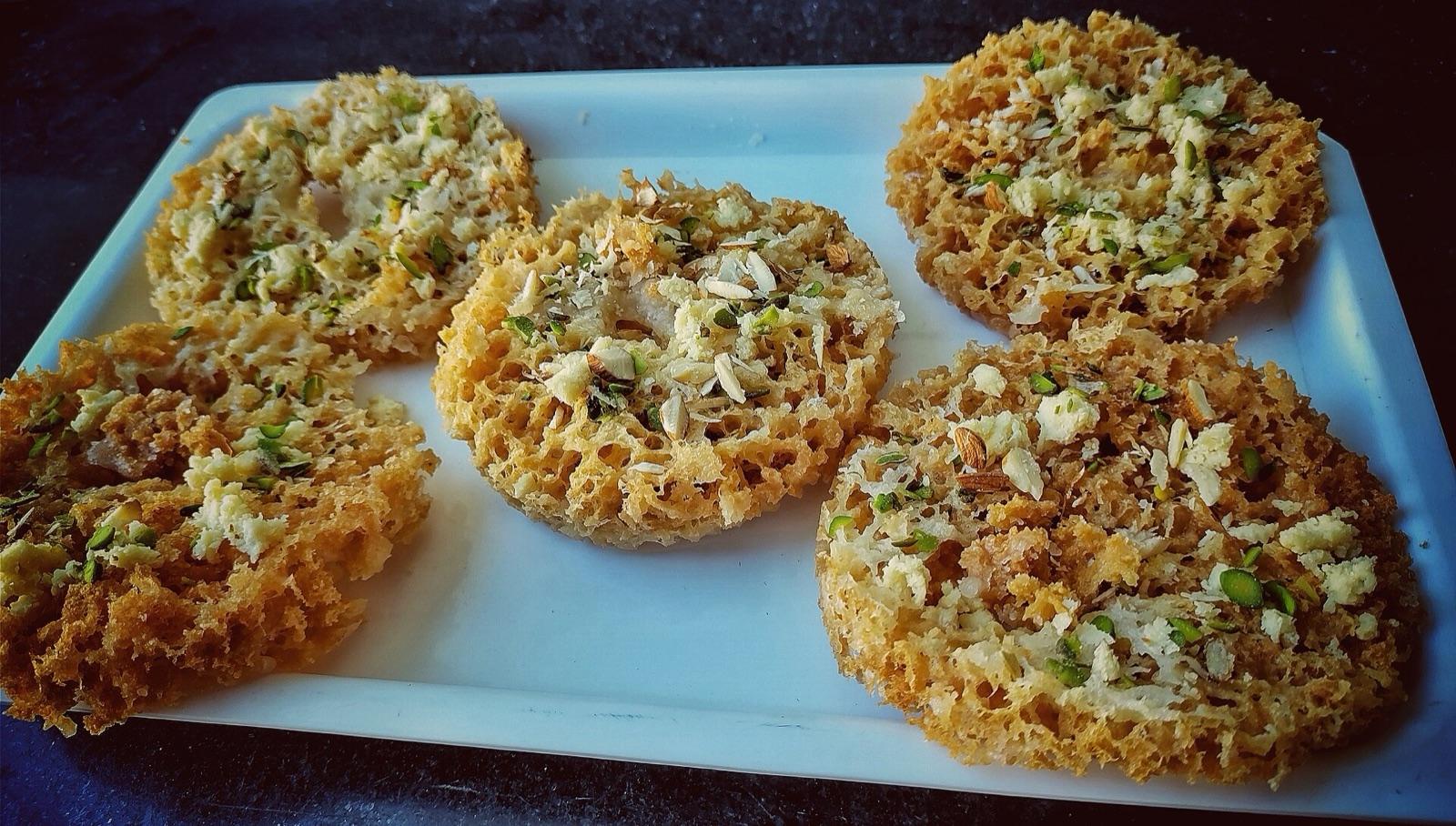
Ghevar is a disc of flour and ghee batter, fried in ghee until it sets into a golden honeycomb, then soaked in sugar syrup. It is often topped with rabri, which is thickened sweet milk, or with saffron and nuts. Ghevar belongs to Shravan, a monsoon month, and to the festivals of Teej and Raksha Bandhan. Sweet shops make it mostly in July and August. Outside those months fewer shops make it, so ask.
The larger sweet shops also sell malpua, a fried sweet pancake served with rabri. Jalebi turns up at breakfast, next to the poha.
Winter dishes from Mewar's maize
November to February is the season for Mewar's maize dishes, when fresh maize flour is plentiful. Raab is flour cooked in buttermilk, and makki ki raab is the maize version. Slurrp names makki ki raab and makki ke dhokle as dishes that come from Udaipur. Top Indian Holidays says you meet the maize dishes in homes, in village kitchens, in cooking classes and at millet restaurants.
Staying on the Fateh Sagar side
We are on Rani Road, on the Fateh Sagar side of the city. If you are planning a stay, message us on WhatsApp with your dates.