When to Visit Udaipur: A Season-by-Season Guide
Winter is the easy answer, but the monsoon has a case and summer has a price. What each season in Udaipur actually gives you, and what it takes away.
- udaipur
- seasons
- travel tips
The short answer
October to March. If you are only going to make the trip once, aim for November to February. That is the stretch the city is built for: clear skies, days you can walk through without planning around the sun, and evenings cold enough to want a fire. The longer answer is that Udaipur is not one place across the year. It is three, and two of the seasons most itineraries write off are worth arguing about before you book anything.
Winter, October to March
Days settle somewhere in the low to mid twenties and nights fall towards ten degrees, sometimes lower in late December and January. The sky stays clear for weeks at a stretch. This is the only season in which you can be outside all day without negotiating with the weather, which means the whole city opens up: the walk along Fateh Sagar, the hill forts, the long drives to Kumbhalgarh and Ranakpur, rooftops at dinner, boats in the afternoon.
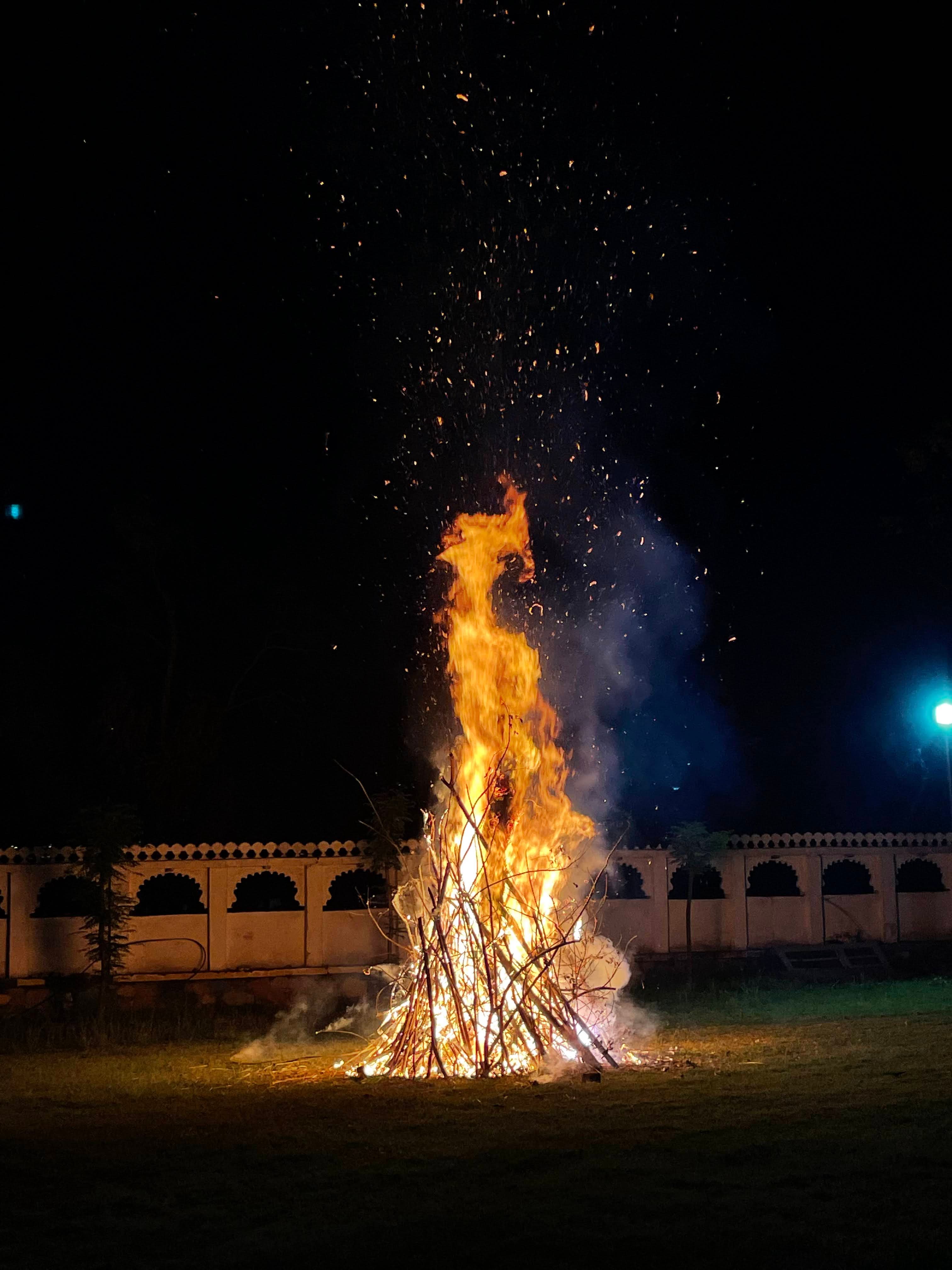
Evenings get properly cold by Rajasthan standards. Carry a jacket, and expect to want it after sunset. This is also when a bonfire stops being decorative and starts being the point of the evening, which is why every lawn in the city lights one from about mid November. The one cost of winter is company. It is the season everyone else has chosen too, so the popular sights are busy from mid morning onwards and the good tables need booking.
The wedding season, and why to book early
Udaipur is one of the country's wedding destinations, and the season runs right through the cool months. From roughly November into March you are not only competing with other travellers for rooms and cars, you are competing with wedding parties that book whole properties months in advance. Practically, that means booking weeks ahead rather than days, especially around Christmas, New Year and the auspicious dates that cluster through the winter. It also means the city is loud and lit at night in a way some people love and some people do not. If you want quiet, ask a property what is booked on its lawns during your dates before you pay for anything.
Summer, April to June, without the varnish
It is hot. Afternoons past forty degrees are normal in May, the sun is unrelenting from about ten in the morning to five in the evening, and there is very little shade at the places you came to see. A full sightseeing day in that window is not brave, it is unpleasant, and people do get ill trying it. Anyone selling you a summer trip as a good idea without saying that is selling you something.
The case for coming anyway is real, though. This is the emptiest and cheapest season by a distance. The sights that queue in December are yours alone in May. The trick is to invert the day: out before nine, indoors and horizontal from eleven to five, out again at dusk, dinner late. Mornings are genuinely pleasant, and evenings by the water are workable once the stone stops radiating heat. If your priorities are budget and space rather than hours in the open, summer earns a second look.
The monsoon, July to September
This is the season worth arguing about. The rain fills the lakes, and a full lake is a different lake: Fateh Sagar brimming against its embankment looks nothing like the shrunken version of a dry April. The Aravallis, brown and scrubby for most of the year, turn green enough to surprise people who have only seen Rajasthan in photographs. The dust settles. Temperatures drop into the high twenties. Crowds thin out considerably, and rates come down with them.
When Fateh Sagar fills to the point of spilling over its dam, people come to stand and watch the water go over, and there is no more local way to spend an evening here. If you take photographs, this is your season and it is not close. The costs are honest ones: rain is unpredictable and you will lose the odd afternoon, the roads out to the hill forts get slow and slippery, boating stops in rough weather, and everything stays a little damp. Late August into September is the sweet spot, with the lakes at their fullest and the rain beginning to ease.
Festivals worth planning around
Most of the festivals worth timing a trip around follow the Hindu calendar, so their dates move each year and you should check them for the year you are travelling rather than trusting a fixed date. In broad terms: Holi in spring, when the city marks the eve with a bonfire and a procession from the City Palace; Gangaur and the Mewar Festival soon after, which is Udaipur at its most ceremonial; Diwali in autumn, when the lakes carry the reflection of a lit city; and the Shilpgram Festival in the last stretch of December, which is a week of craft, folk music and food on the edge of town. Any of these will make a good trip better. All of them will make rooms harder to find.
The verdict
For a first visit, come between late October and early December, or in February. You get the whole of winter's weather without the crush of Christmas and New Year, and without the peak of wedding season pricing. If you have been before and want the city at its most photogenic with the fewest people in the frame, come in September. If you are travelling on a tight budget and will genuinely rearrange your day around the heat, May works. The only plan we would talk you out of is a packed sightseeing itinerary in the second half of May, which is a good way to spend a holiday indoors wishing you had come in November.