A Weekend in Udaipur, From the Lake Out
Two days, one axis. Day one on the shore of Fateh Sagar, day two in the old city and on Lake Pichola, with nothing on the list that needs more than a short drive.
- udaipur
- itinerary
- weekend
One axis, two days
Two days is not enough to see Udaipur, and an itinerary that pretends otherwise will have you in a car for most of it. What two days is enough for is one clean line through the city. Spend the first day on the shore of Fateh Sagar and the second in the old city and on Lake Pichola. Nothing below is more than a short drive from the water, and most of day one can be walked.
The order matters more than the list. Udaipur is a morning and evening city for most of the year, so both days below load the sights into the cool hours and leave a deliberate gap in the middle.
Day one, morning: the road around the water
Begin on the promenade at Fateh Sagar before eight. The road around the lake is at its best in that hour: flat water, hills still blue on the far side, walkers in pairs, and chai carts setting up along the railing. It costs nothing and it is the most local thing you will do all weekend. There is a longer, slower guide to this lake elsewhere on this blog, so take the rest of the morning from that and not from here.
Day one, late morning: Moti Magri and Saheliyon Ki Bari
Moti Magri, or Pearl Hill, rises on the eastern side of the lake and carries the memorial to Maharana Pratap, with the bronze of him mounted on Chetak at the top. It is ticketed, so check current timings before you build a morning around it. The reason to climb it is the view of Fateh Sagar laid out flat below you, which you cannot get from the shore.
Saheliyon Ki Bari, the Garden of the Maidens, is a short way further and takes half an hour to see properly: lotus pools, marble pavilions, and fountains originally fed by gravity rather than by any pump. Check current timings, and treat it as a stop rather than an outing. Then stop for the day. From about eleven to four the sun here is not worth arguing with, and the evening is what you are saving yourself for.
Day one, evening: back at the lake
Around five the shore changes hands. Families arrive, the corn seller lights his coals, and the promenade turns into the city's front garden. Roasted corn with lime and masala, kulfi, chaat, small glasses of chai. Then find somewhere to sit facing west. The sun goes down behind the Aravallis on the far side, and the colour holds for a good twenty minutes after it has actually gone. Most people leave too early. Stay for the second half.
Day two, morning: the City Palace
Start at the City Palace, and start when it opens. It is the largest palace complex in Rajasthan, built up over four centuries by successive Maharanas, and it reads less as one building than as a stacked town of courtyards, balconies, mirrored rooms and narrow stairs that open without warning onto Lake Pichola. Give it two to three hours honestly rather than the forty minutes most people plan. It is ticketed, with separate tickets for parts of the complex, so check current timings and what is included on the day.
Day two, late morning: Jagdish Temple and the lanes
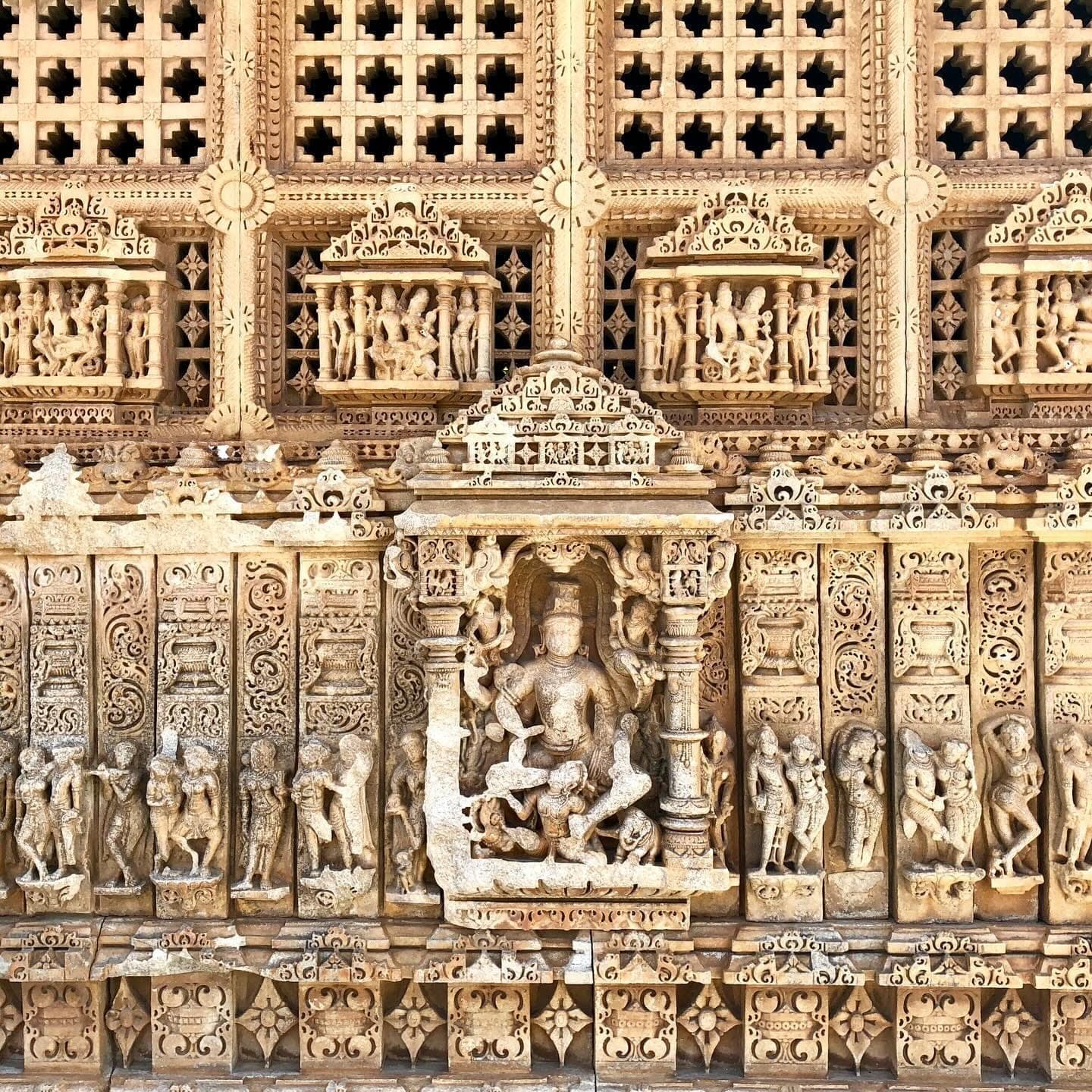
Jagdish Temple stands a short walk from the palace gate, up a flight of steps flanked by stone elephants. Seventeenth century, dedicated to Vishnu, and a working temple rather than a monument, so shoes come off, shoulders and knees stay covered, and the aarti hours are the crowded ones. The carving on the outer walls is the reason to linger: bands of figures, musicians and elephants worked into the stone at a density that photographs flatten.
The lanes around the temple are the old city proper: miniature painting, silver, block printed cloth, and a good deal of the same tourist stock repeated shop to shop. Walk them for an hour without a plan. They are also where lunch is, on rooftops looking back at the water.
Day two, afternoon: a boat on Pichola
Boats leave from the ghat below the City Palace, and the crossing takes in Jag Mandir, the island palace, where you can get off and walk the courtyard. Late afternoon is the hour for it, when the light comes across the water at the city rather than down on it. Timings and rates change, so check both on the day, and expect the boats to be full at the weekend.
An hour more, if you have one: Ahar
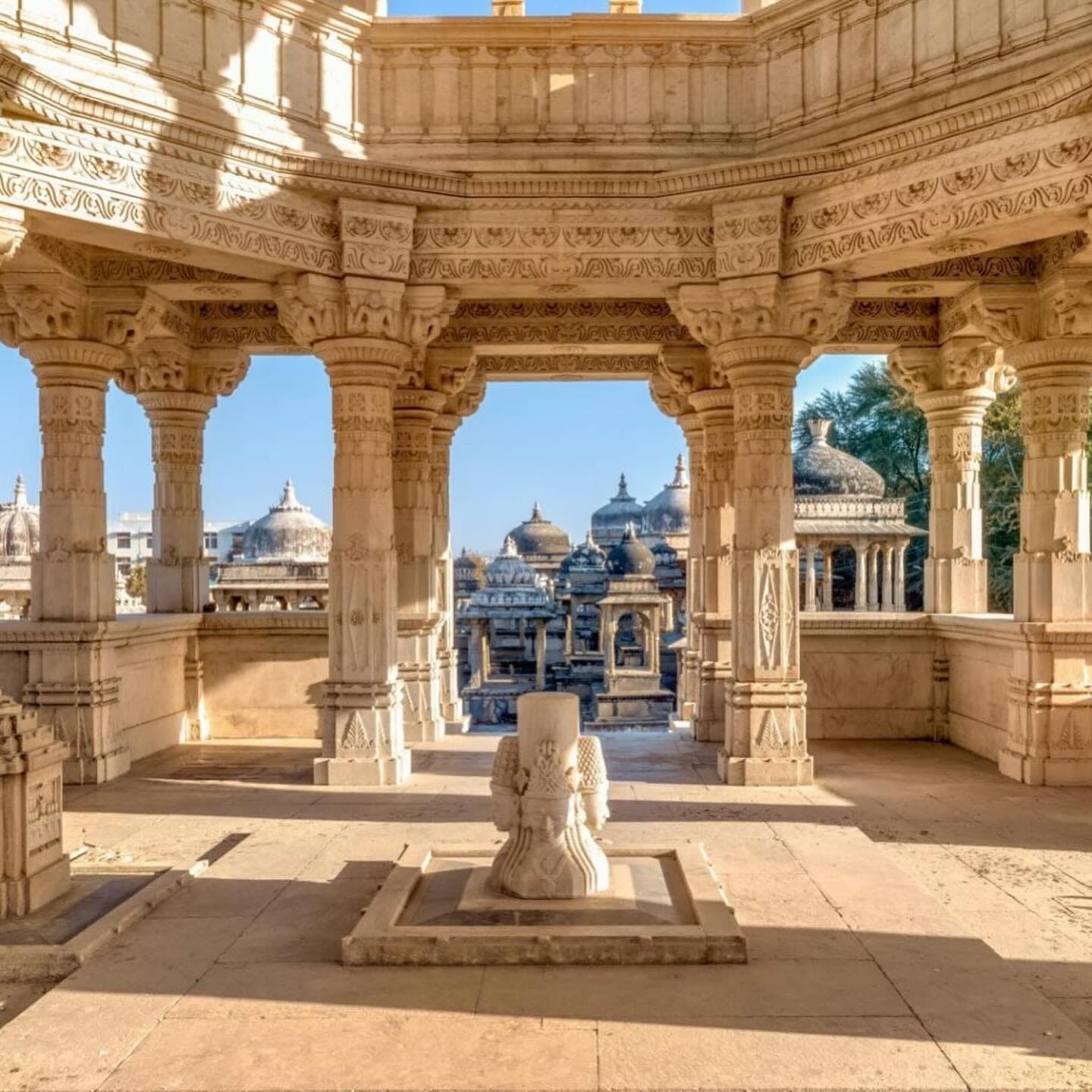
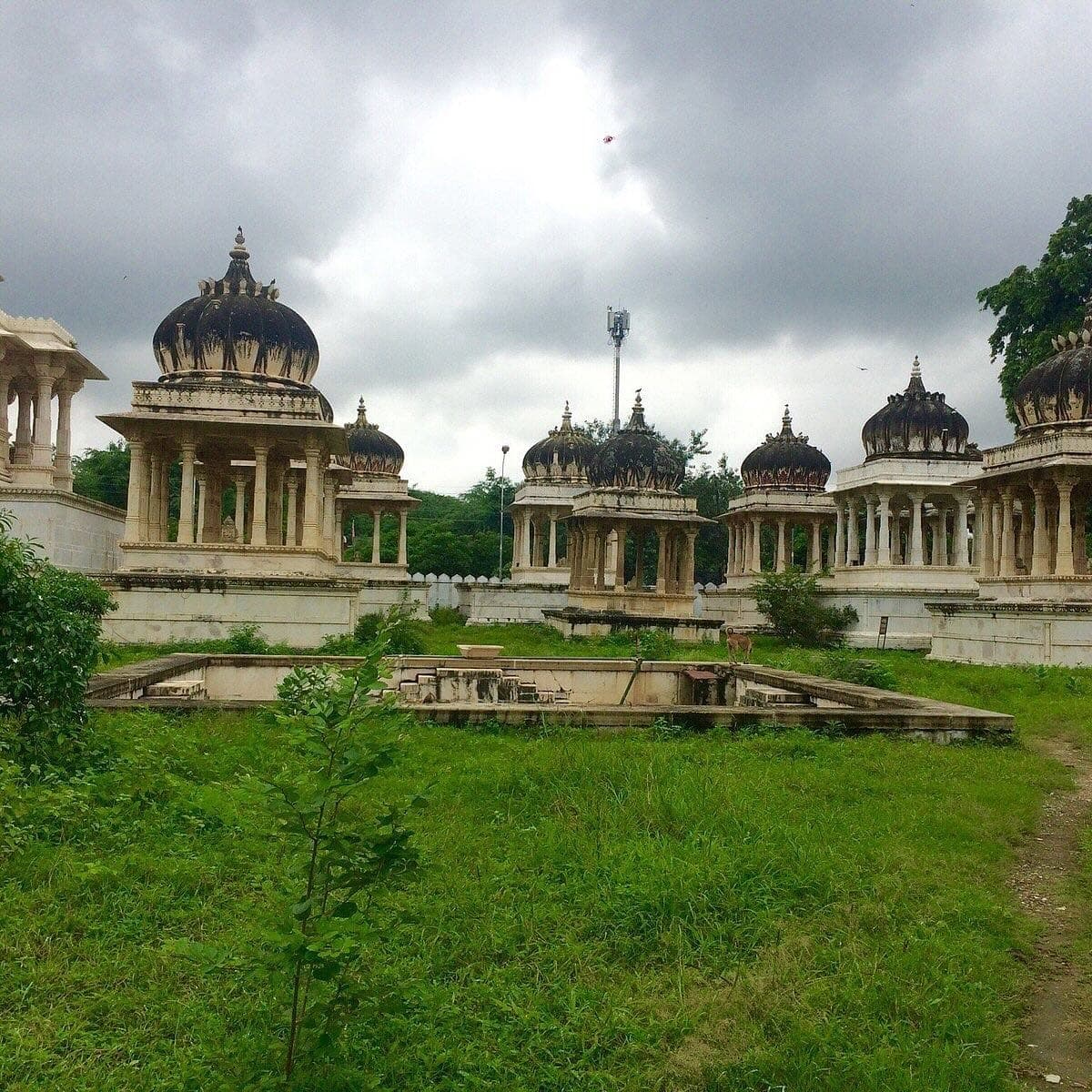
East of the old city, the royal cenotaphs at Ahar hold a field of marble chhatris raised over the Maharanas of Mewar, with a small archaeological museum beside them. It is quiet in a way nothing else on this list is, and we send guests there often enough that it has stopped feeling like a detour. Check current timings, and go in the morning or the last hour of light.
Day two, sunset: get above the city
Finish high. Bahubali Hills, above Badi Lake outside town, is a short climb to a shelf of rock with the water on one side and the hills running away on the other, and it is the sunset most people come back talking about. Sajjangarh, the Monsoon Palace on its ridge, and Karni Mata, reached by ropeway from near the old city, do the same job with less walking. Any of the three works. Leave margin, because the roads up are slow at that hour.
What to leave out
Do not put Kumbhalgarh or Ranakpur into a two day trip. They deserve a day each and sit two to three hours away by road, so forcing them in means you will mostly have seen a windscreen. Two days is enough for one city taken unhurriedly. It is not enough for a region.
Staying on this side
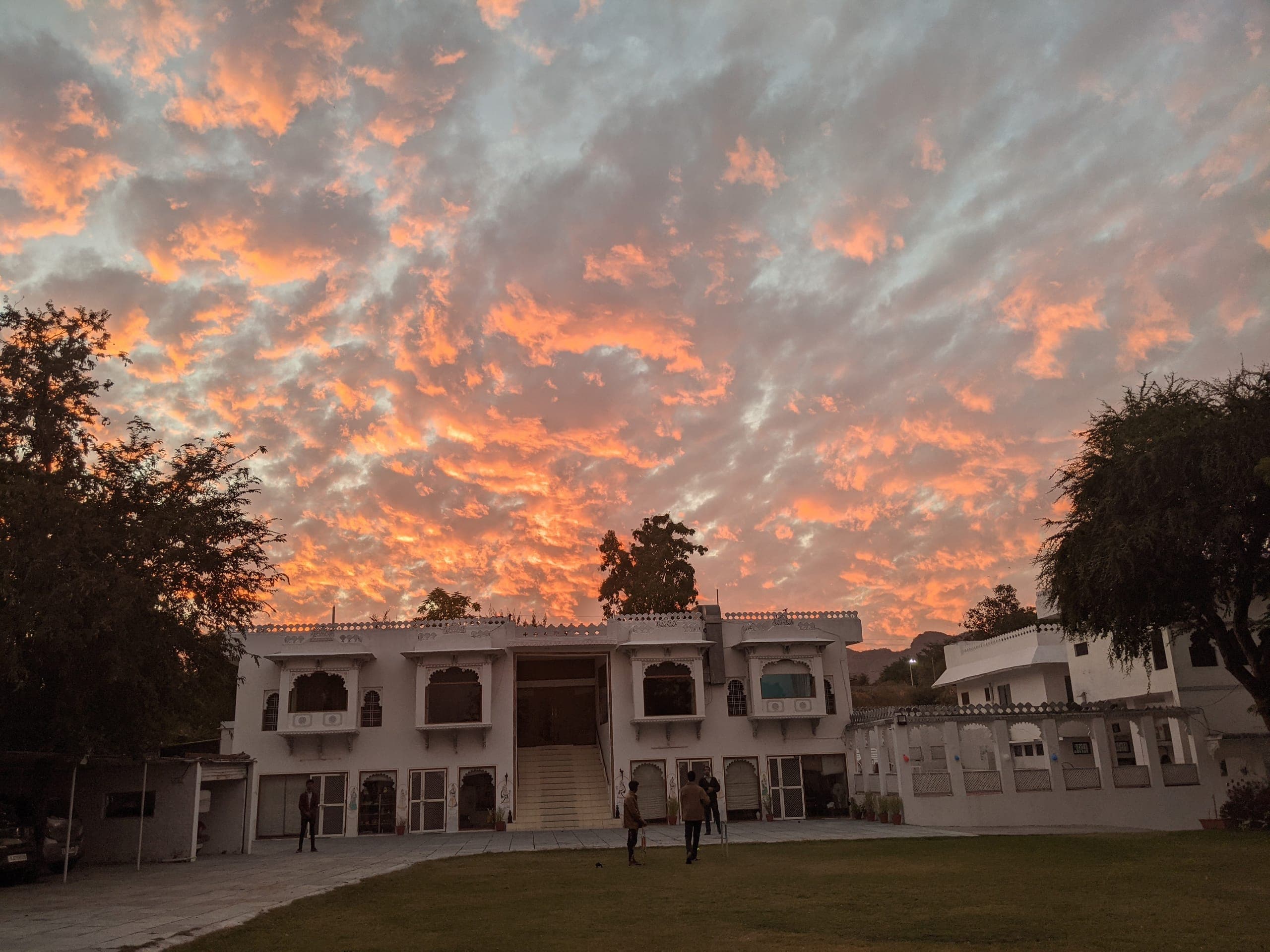
We are on Rani Road, near Rajiv Gandhi Park, which puts all of day one within walking distance of the gate and day two a short drive away. That is the practical case for the Fateh Sagar side over the old city: the mornings and the evenings are on your doorstep, so you take them on impulse rather than by arrangement.