Riding Marwari Horses Through the Aravallis
The horse with the curved ears is Rajasthan's own. What a morning in the saddle in the hills behind the lake is actually like, who it suits, what to wear, and when to go.
- horse safari
- marwari horses
- udaipur
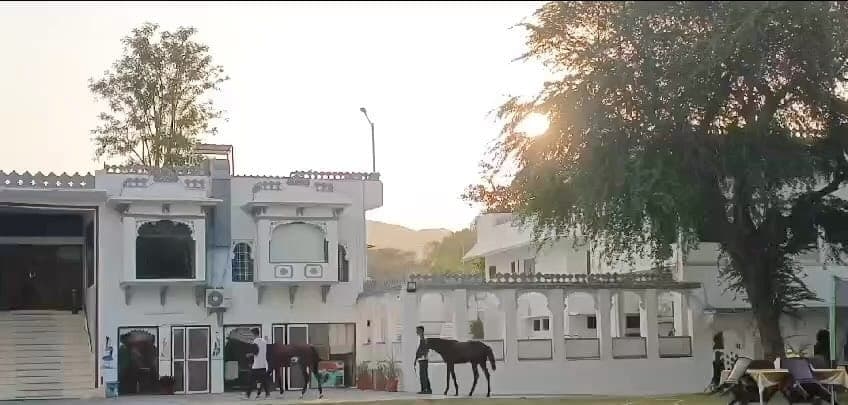
The horse first
The Marwari is Rajasthan's own horse, bred in Marwar, the desert country to the north west of here, and it is the easiest breed in India to identify. The tips of the ears curve inwards until they very nearly touch, which no other horse does. Past the ears it is a light, narrow, long legged animal built for distance in heat rather than for weight, with a high head carriage and a great deal of opinion about things.
It was a cavalry horse for centuries, and it came close to disappearing in the twentieth century, when mechanisation removed the reason for it and the numbers fell away badly. It survives because a small number of breeders in Rajasthan kept it going on purpose. That history is worth knowing before you get on one, because it explains the temperament. A Marwari is forward, quick to react, and not the placid trail pony a first timer might be picturing.
What the ride is actually like
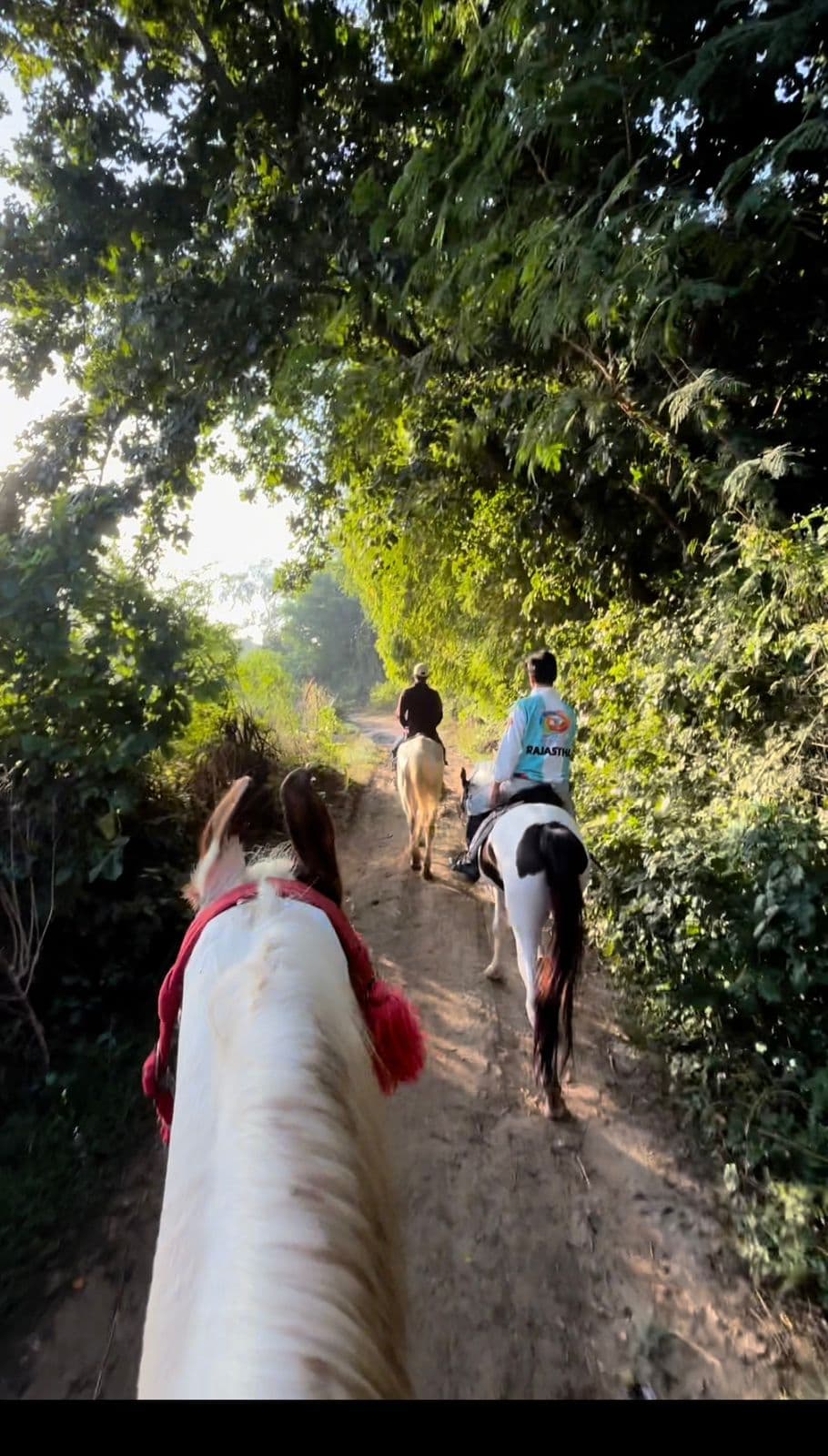
You leave on dirt tracks and climb gently into the scrub and low hills that sit behind the lake. The Aravallis here are not dramatic. They are old, worn down, brown for most of the year and green for two months after the rain, and they are cut through with cattle paths and dry stream beds. Most of a ride is at a walk, with stretches of trot where the ground opens out.
The sound is what people mention afterwards. Hooves on dry earth, peacocks, and very little else. You pass the edge of a village, goats, the occasional motorcycle, then nothing again. It is not a wilderness and nobody should sell it to you as one. It is ordinary country seen from four feet higher than usual, which turns out to make a larger difference than it sounds.
Who it suits
Novices are fine, on the understanding that novice riding here means a led horse at a walk, with somebody else holding the rope. That is a real morning out and not a consolation prize. What a first timer should not do is treat a Marwari as a machine that goes when you press it. Say plainly that you have never ridden. The people who run these rides would far rather hear it at the gate than in the hills.
Riders who know what they are doing get more out of it, because a fit Marwari at a trot over open ground is the whole point of the breed. If you ride regularly, say so, and say what you are comfortable doing. Children can often be taken up led, depending on age and size, but that is a question to ask in advance rather than assume.
What to wear
Long trousers, because bare legs against a saddle for an hour ends badly. Closed shoes with a small heel, so a foot cannot slide through the stirrup. A hat, or ask about a helmet, and if you want one, ask before the day rather than at the mounting block. Sunglasses. In winter, a layer you can take off, because the first half hour is cold and the second is not. Nothing loose and flapping, which means leaving the scarf behind.
When to go
Early morning, or the last two hours of daylight. Two reasons, and they reinforce each other. The heat is the obvious one: from March onwards the middle of the day is not a reasonable time to work a horse or to sit on one. The other is light. Low sun through dust and trees is what makes these mornings look the way they do in photographs, and the same ground at noon is flat and white and forgettable.
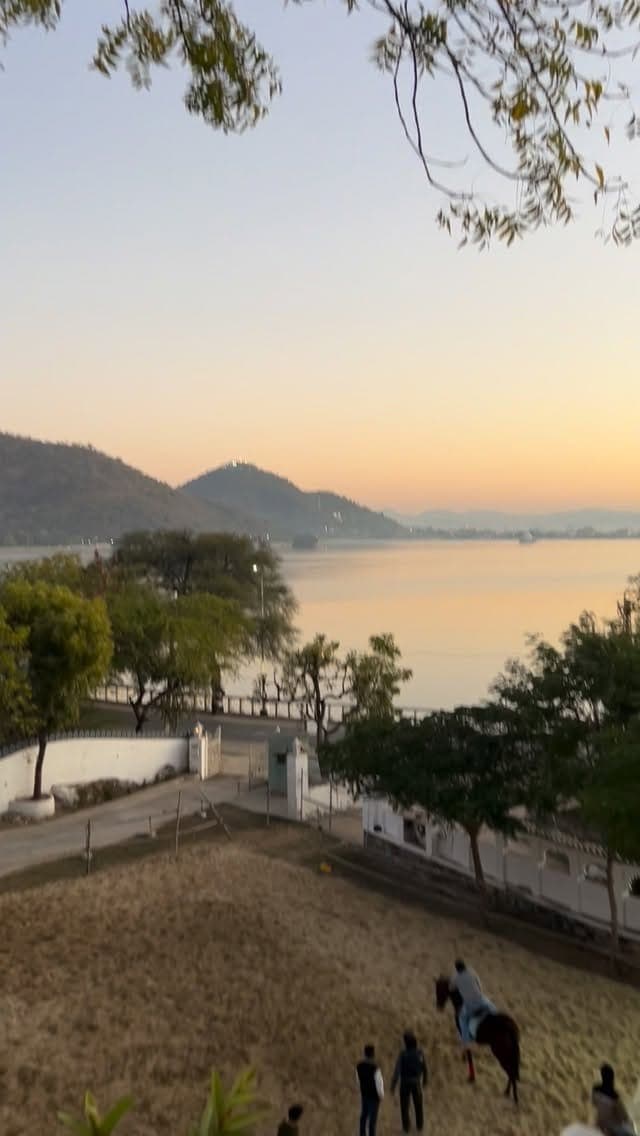
By season, November to February is the easy answer. The mornings are cold enough to be pleasant and the ground is firm. The weeks after the monsoon are the prettiest, with the hills briefly green, though the tracks stay soft for a while. May is the month to avoid altogether unless you are out before six.
How it is arranged from here
The safari is arranged through us and guided by expert caretakers, which is the house's own description of the people who look after these horses and ride out with guests. It is not a listing we resell. Horses have been part of this address long enough that guests who come back ask after them by name before they ask about a room.
We are deliberately not printing a duration, a route or a price on this page. All three move with the season, the ground and who is riding, and a number here that turns out to be wrong on a Tuesday in August helps nobody. Send us a message on WhatsApp with your dates and your riding experience, and you will get an answer for those dates rather than an average.
One more thing, about the animals
Ask how many hours a horse works in a day. Watch how it is handled on the ground before you get on it, and whether it gets water and shade at the end. A well kept horse is obvious, and so is the other kind. This is worth doing anywhere in India that offers riding, including here, and anyone who takes offence at the question has told you something useful.